DataQuick case
How we merged three systems into a single database.
An international education company running its CRM, accounting and operations in separate systems. We connected the three sources, kept the full history, and delivered management a single set of KPIs.
See the architecture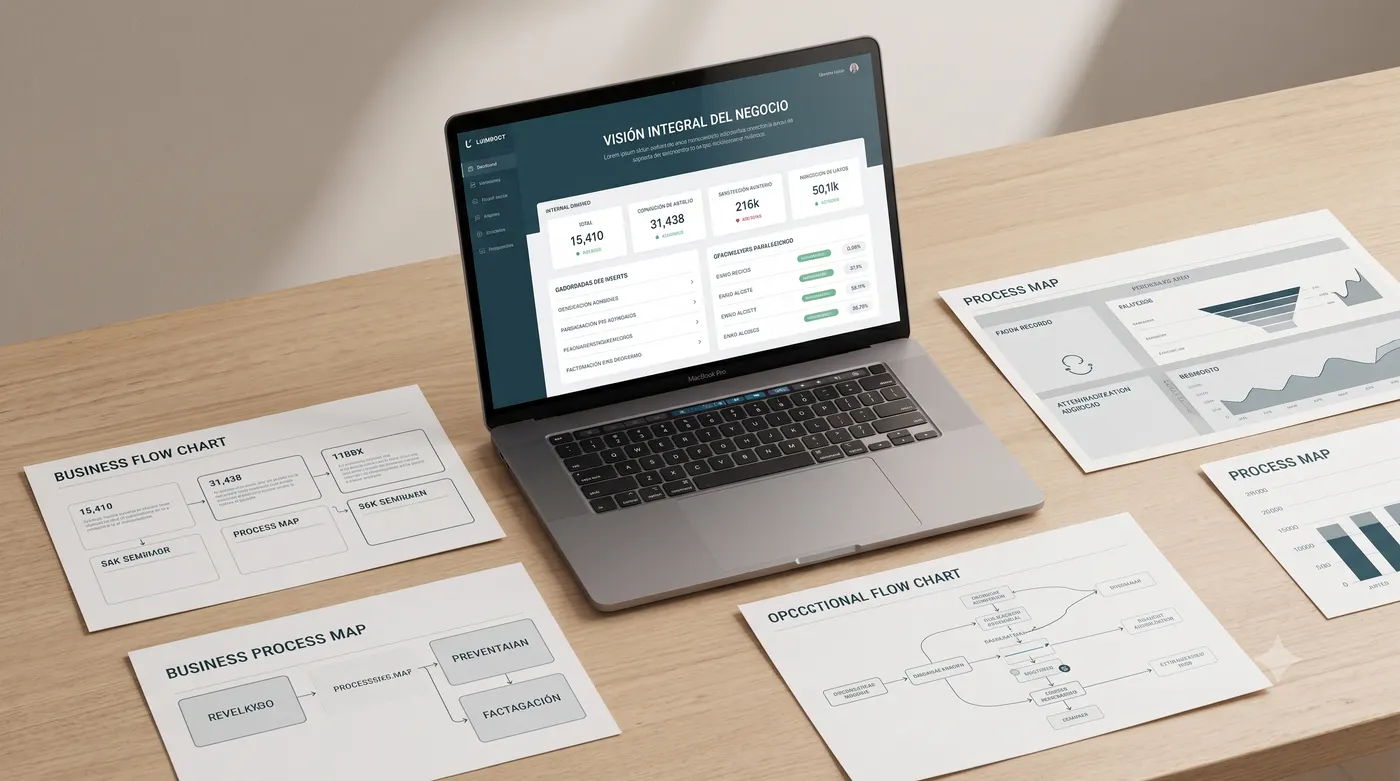
The starting point
Each system reported a different figure.
Sales, finance and operations data lived in separate systems. The definitions did not match, and every report had to be reconciled by hand.
- Inconsistent customer identities.
- History split across APIs and exports.
- KPIs that changed from one report to the next.
Architecture
The five layers of the system.
01
Sources
CRM, ERP, operations, payments and marketing come in without altering their history.
02
Bronze
Raw data, traceable and ready to rebuild any load from scratch.
03
Silver
Unified identity, normalisation and business rules written down explicitly.
04
Gold
Models ready for sales, finance and operations.
05
Decision
Dashboards and AI on data management can audit and trust.
Operational result
What changed.
3+main sources unified
225automated data tests
35BI-ready views
0manual exports in the daily workflow
Built on
 PostgreSQL
 Supabase
 n8n
n8n MongoDB
 Metabase
 Cloudflare
 Gemini
 Claude